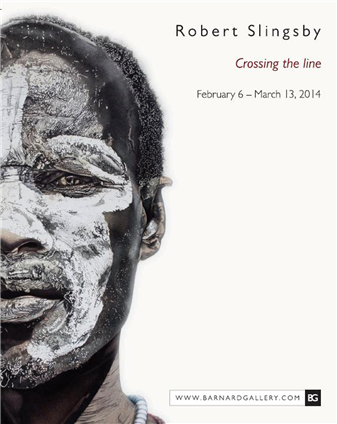
'Crossing the Line'
Robert Slingsby at Barnard Gallery'A trip to the Katanga province of Democratic Republic of Congo (DRC) can only described in the most neutral of adjectives, as "harrowing". Driving through this fecund land, visibly bursting with natural wealth, I witnessed the mutilation of its body, its lungs clogged, heart gouged out, carved up and consumed. I saw its arteries severed and its life-blood seeping through a desiccated skin.
'Crossing the Line', documents a similar travesty afflicting the region. Robert Slingsby’s locus might be different to that of the DRC: the remote Omo River in southwest Ethiopia. But his overarching narrative is of the wholesale theft of Africa by rapacious multinationals aided and abetted by governments profiting from, to quote Slingsby, "these parasites in paradise."
Despite the end of colonialism, the interplay between economic, political, and social forces continue to drive European, American, African and Asian interests to establish a stake in the resource-rich region. This frenzied scramble for Africa has succeeded through the declaration of exclusive commercial claims to particular territories, including exclusive control of waterways and commercial routes throughout the continent. In an insidious form of neo-imperialism, multinationals have imposed excessive tariffs, committed tax evasion and perpetrated fraudulent practices that rob indigenous communities of the essential fruits of land and labour.
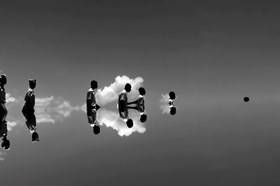
In 'Crossing the Line', Slingsby not only pays homage to the tribes under threat. Through a multimedia installation that audio-visually documents the brief sojourn of Slingsby and his wife Janis amongst the Mursi and Karo, he fires a visceral salvo at the consequences of policies championing progress at all costs. And it is Slingsby's portraits that provide the most tragic portents of catastrophe. They are images of dignity, reflecting nothing of the upheaval that will afflict their lives. But whether in Ethiopia, or elsewhere in Africa, or indeed wherever indigenous communities dwell; without effective intervention they face a future of poverty and dispossession through ancestral lands falling into foreign hands.'
Text by Hazel Friedman: Into Foreign Hands
06 February - 13 March